Natural materials, Unnatural times (part 2)
So we were discussing the difference between synthetic materials and natural materials and …why is it so?
In case you missed the 1st part of the article click here: natural-materials-unnatural-times-part-1
Why is it that synthetic materials poison and harm the natural elements?
This is a result of the way they are made. Most synthetic materials are made from oil, which is drilled from deep, deep within the earth. This oil has been created naturally over a period of thousands of years by crushed and squashed natural elements. Taking the oil from the depth of the earth creates vast damage and uplifts something that “belongs” deep within the earth.
So if we comprehend that the process of making synthetic materials and recycling them is unnatural and harmful to our planet and thus to ourselves, does this mean using natural materials is a better option?
Not necessarily, the question is more complicated than it seems.
What about sustainability and the ethical question?
Is it ethical to kill an animal for its fur or leather to create a coat, shoes or belt?
Is it moral to cut the tusk or tooth from an elephant to make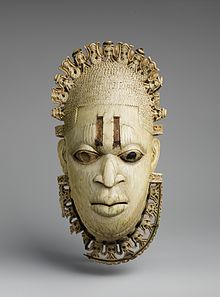 ivory jewelry, to exterminate worms for silk or cut trees for their wood? (The side image is an ivory mask)
What about taking gold or even marble from the earth, mining coal or other materials – don’t these also create imbalance in nature and destroy the natural beauty of a landscape? These are all also harmful to the surroundings, not to mention all the waste that is created in their making.
Natural materials are not all fairytale and roses, for there is usually a very high price to pay to harvest them, and this is particularly significant when they are taken and used in great masses.
We humans here on earth are endlessly distorting our surroundings. To a certain and limited degree this can be seen as a situation that is not really our “fault”, for it is an integral part of this earth. All hunting animals must destroy others for their mere survival. A lion that eats a small deer does not do so out of cruelty or greediness, but as a mere survival instinct.
The human problem is that we, unlike other creatures on this planet, do not stop at survival, we have taken over the world in a rude and careless manner. Disregarding the damage of their actions, humans have made and are continually more and more making tremendous damage to this planet.
Coming back to art
As artists, we may want our art work to last forever, we may want the materials that we work with to be cheap; we may want them to yield to our personal needs and to be easy to work with. For instance, to dry fast, to be strong and light or flexible. Alternatively, we may wish to have the ability to change it.
Creating with different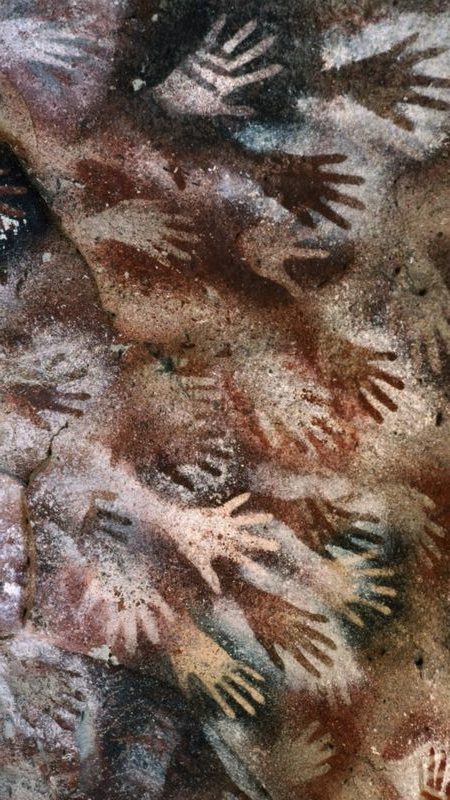 materials presents different challenges and qualities. Each material has different qualities, a different “character”. When working with a material we get to know and meet it intimately, playing and exploring its unique “personality”. Just like getting to know a color, a shape or a musical key. Exploring is an integral part of art and the intimate relationship between an artist and their materials can be seen as an integral part of the creative process. The artist molds the material and the material opens and yields to the artist, allowing the artist to do with it as they please, while also exposing its essence to them.
Closely working with a material, we see it, we smell it, we touch it, we get involved with its character, whether it is stubborn and hard or soft and forgiving. When making clothes, for example, working with a cloth, whether we choose natural materials such as leather, wool and silk, or whether we take synthetic cloth, will lead us to face different obstacles. We meet and connect to different traits that offer different advantages and disadvantages, so to speak. Each cloth has different assets and limitations, it has a different character, offering its uniqueness, its very own composition of qualities.
Just like a friend, the more we get to know a material the more it reveals itself to us. It is we who need to choose in whose company we wish to spend our time.
Natural materials are undoubtedly deeper and richer; they have complex “personalities” that are full of life and wisdom. They have an essence that is eternally changing and reacting to its surroundings. Creating with them is to be seen as a dialog rather than a monolog, a dance of two, where one is leading the other, one responding to the other, an exchange, a flow.
Creating with natural materials connects us to the essence of the materials but only if we are open to meet them.
Only with respect can we create and live in harmony

We think we are so great, we think we are so smart; we humans who have conquered the world, killed the animal kingdom, manipulated vegetation, destroyed the waters, the earth and air. Sadly, we do not realize the disaster that we are.
We only want to control, greedy to take, cunning and cruel.
Yet, it is only through respect, appreciation and reverence that we can restore balance in our distorted world. It is only through gratitude and deep appreciation combined with a humble way of living that we can hope to live in harmony with nature, with the elements, to learn from the uniqueness of that which is nature.
To really live here, to really create in this precious world, with the fellow creatures that live here and with the natural elements that are the true treasures of this our planet, real love is needed.