Keep your practice pure
Keeping yoga pure.
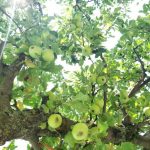
It’s much easier to get things dirty than to clean them. It’s so much more challenging to find and maintain quietness and stillness, yet so effortlessly it can be disturbed. The law of entropy in this world shows us that without doing anything at all, something perfect, good and bright such as an apple sitting peacefully, will, over time, inevitably rot.
We need to work hard to improve, to progress, to get better, to evolve, at times it seems like swimming against the current, pushing against gravity. So much force a plant must use in order to grow, to move and spring upwardly.
One of the greatest tools I have found for living here, on this planet of beauty and destruction, is yoga. And I notice that yoga, just like anything great, should be kept pure, protected and cherished. Just a tiny drop of lemon can spoil a big full pot of milk.

I was lucky to be introduced to yoga at a young age, and it has been a completely integral part of my life for a few decades now. It has been so natural to me, that I somehow had the thought that all such “hobbies” or such physical activities are balancing in their nature. Little did I know that many people use yoga to counterbalance their beloved “hobbies”, as those activities are often rather physically harmful.
For instance, when I started learning to play the harp, it was evident that the way it is built is not aimed at, nor supportive of, the comfort and physical wellbeing of the player – and actually it is rather sad to discover that this is true for most musical instruments. Most musicians require some sort of physical exercises and stretches of ‘yoga nature’ to help them realign their body, their posture; to counter the imbalanced shape of the instrument and the technique of playing. For playing most instruments, a practice such as yoga is not only important to keep general wellness but also to actually counterbalance the problematic posture of playing music.
Surprisingly, at least for me, the same can be said about most sports and athletes too. They too need some form of ‘yogic practice’ to help balance their body. I was under the impression that since an athlete’s lifestyle is so dedicated to their physical body, at least it would be a healthy one. Unfortunately most sports work in a way that strengthens only a single group of muscles. For example, a tennis player: unfortunately the way they play requires them to use their body in an uneven way. One hand is literally doing most of the hard work. To readjust this they must invest time and effort in their body to continually counter that imbalance, to keep their body in harmony and equilibrium.
I feel very grateful to have grown up with yoga as part of how I feel and work with my body. Listening to it, strengthening it, stretching it, and yet respecting its limits.
Yoga is such a true friend, and yet we must remember, like with any love, that we must not abuse it. Keeping yoga pure means that we do not let an idea of how a posture or a practice “should” look, push us. Our motivation is to grow within our own ability, to expand our limits within. It is wonderful to have goals, guidelines and inspiration. However, when we push our body without the correct understanding of what it can or can’t do, we are always in the wrong.
This can be a result of either simple ignorance or an ego-driven motivation. Since we can improve our body, it can be challenging to notice when we move beyond the line of enjoying the benefit of the practice into a zone of harming ourselves and disrespecting the body’s limits.
The moment our yoga loses its special pure quality it can turn against us, blocking us from growing and creating pain as well as injury. We must keep a vivid thought of why it is that we practice, and keep that intention pure.
Things get even more subtle with regard to our practice of stillness and meditation where our intention plays an even greater role. As long as we practice meditation for achievements within this world – such as to be more focused, healthy, energetic, peaceful, then our practice will be limited. It is only once we start giving value to our inner world, and inner well-being, how we feel, within our inner state, that we can grow and develop in that deeper realm.